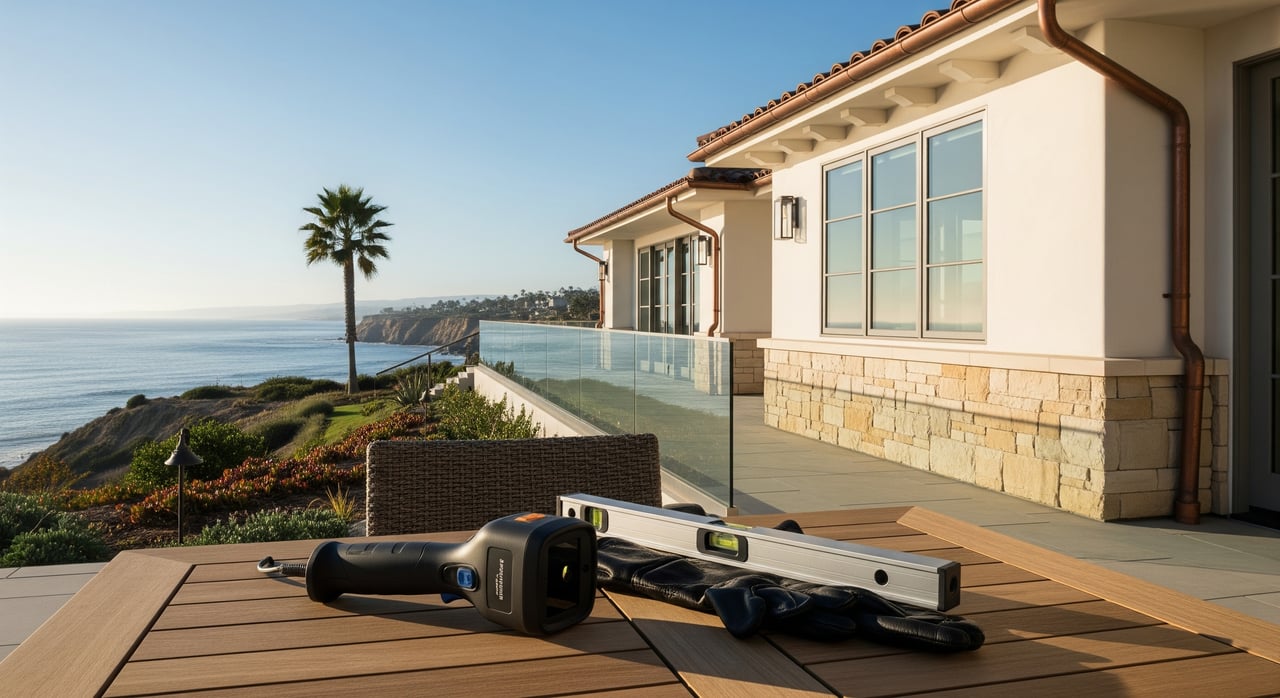
Buying a home by the ocean in La Jolla is exciting, but the marine environment introduces risks you will not see inland. Salt air, wind, and bluff conditions can accelerate wear and create issues that are easy to miss at first glance. With the right inspections and a smart plan, you can separate routine coastal maintenance from costly structural problems. Here is what to expect, the specialty reports to consider, and how to use the results to negotiate with confidence. Let’s dive in.
Why coastal inspections matter in La Jolla
Homes in La Jolla face salt-laden air, wind-driven rain, and strong sun. These conditions speed up corrosion and the breakdown of paint, sealants, and metals. Properties near bluff edges can also be affected by slope stability and storm runoff.
California’s coastal zone has extra permitting and disclosure layers. Sellers provide a Transfer Disclosure Statement and a Natural Hazard Disclosure that often note flood, landslide, or geology hazards. If a property has a seawall or bluff work, permits and engineering records are important to review.
Flood risk and coastal hazards are documented by federal and state resources, and local planners implement the coastal rules. Your goal is to match the home’s actual condition with its disclosures and any prior engineering.
What a standard inspection covers
A standard home inspection reviews major systems like structure, roof, electrical, plumbing, HVAC, and visible moisture conditions. In California, there is no uniform state license for home inspectors, so look for ASHI or InterNACHI credentials and proven coastal experience.
A general inspection is visual and non-invasive. It will not open walls, test soils, or certify structural or bluff conditions. In La Jolla, you often add specialty inspections to cover what a generalist cannot assess.
Coastal-specific issues inspectors find
Salt, UV, and corrosion
Inspectors often see corrosion on railings, fasteners, window and slider tracks, and exterior metal like HVAC condenser frames. Stainless steel, especially marine-grade 316 hardware, holds up better than common steel. Expect to see accelerated paint wear and chalking on exterior surfaces.
Concrete, stone, and seawalls
Salt can drive chloride-related damage in concrete. Typical findings include spalling, cracking, and exposed rebar in patios, steps, and seawalls. Settlement or differential movement can appear near bluffs or in areas with poor compaction.
Moisture and the building envelope
Wind-driven rain finds weak points at windows, doors, balconies, and roof-to-wall joints. Common notes include failed sealant, missing or damaged flashing, and water staining. Chronic moisture can lead to rot or visible mold in poorly ventilated areas.
Wood-destroying organisms
Termites and other wood-destroying organisms are common where moisture is present or landscaping touches the structure. Lenders in California often require a licensed WDO inspection, and it is a smart add-on near the coast.
Roofs and drainage
Salt exposure shortens the life of flashings, fasteners, gutters, and downspouts. Coastal winds stress roofing materials. Older roofs may show worn underlayment or compromised flashing. Poor drainage concentrates runoff at foundations and bluff edges, which raises risk.
Structure and bluff stability
Inspectors watch for cracks that widen over time, leaning retaining walls, stair or terrace movement, and signs of settlement. Near bluff edges, undermined footings or evidence of past movement are red flags that call for geotechnical input.
Mechanical, plumbing, and electrical
Coastal corrosion shows up in electrical panels and connections, which can be a safety issue. HVAC units, pool equipment, and water heaters often age faster in salt air. Older sewer lines can have roots, corrosion, or offsets, so a camera scope is often recommended.
Specialty inspections to consider
- Licensed pest and WDO inspection by a structural pest control operator.
- Roofing evaluation by a coastal-experienced contractor, focusing on flashings, fasteners, and underlayment.
- Structural or engineering assessment for balconies, unusual framing, or visible structural concerns.
- Geotechnical review for bluff-top or slope-adjacent properties, or if there are signs of movement. This can include stability analysis and monitoring recommendations.
- Corrosion and structural steel assessment for older metal railings, supports, connectors, and seawalls, including testing of reinforced concrete when needed.
- Sewer-line camera scope for older homes or where backups are suspected.
- HVAC and mechanical specialist to evaluate corrosion and remaining useful life.
- Environmental testing for lead paint or asbestos in older luxury residences.
- Coastal hazard and insurance review to understand flood zones, insurance availability, and policy exclusions.
- Pool and spa inspection, plus a shoreline or seawall engineer if applicable.
Timeline and escrow logistics
Plan extra time for specialty reports during your contingency period. Geotechnical or engineered evaluations can take several days to a few weeks. High-end properties often involve multiple specialists and re-inspections after repairs.
If you are financing, your lender may request certain reports or additional documentation on bluff stability. Build in contingency time so you can respond without rushing your decisions.
What to review before you write an offer
- Confirm your inspector has coastal property experience. Ask for references or sample reports with attention to corrosion, decks, and bluff issues.
- Request maintenance records, permits, and any past geotechnical or structural reports. Ask for warranties related to seawalls or retaining walls.
- Order targeted specialty inspections early for bluff-adjacent or oceanfront homes.
- Review flood and coastal hazard information for trends and elevation context.
- If there is an HOA, review documents for any seawall or retaining wall responsibilities and cost-sharing rules.
How to negotiate repairs in La Jolla
For minor items, sellers often make repairs before closing or give a credit at closing. For significant systems or safety issues like active WDO, major corrosion, or a failing seawall, you typically request a professional remediation plan prepared by a licensed engineer.
Escrow holdbacks are common for complex work that cannot be completed before closing. For bluff and stability concerns, lenders may require a geotechnical report or could decline financing if risk is high. Many buyers negotiate for geotechnical clearance or a termination option if findings are unsatisfactory.
For large projects like seawalls or slope stabilization, a price reduction or contingency-based holdback is more common than immediate full remediation. When sellers provide thorough maintenance and permitted repair records, negotiations tend to be smoother.
Insurance and lending considerations
Insurance policies may include wind, flood, or landslide exclusions near the coast. Get quotes early and confirm coverage details that matter for the property. Lenders can impose stricter underwriting on properties with documented geologic hazards or active instability.
Your negotiation stance should match insurance and lending realities. If insurability is limited or expensive, that can affect price, credits, and the scope of required repairs.
Ongoing maintenance for coastal La Jolla homes
- Choose durable materials like marine-grade 316 stainless steel, marine-grade aluminum, and corrosion-resistant coatings.
- Rinse exterior surfaces to remove salt, and keep gutters and drains clear to prevent concentrated runoff.
- Repaint and reseal on a regular cycle. Check caulking around openings and roof penetrations annually.
- Keep landscaping and irrigation away from foundations and bluff edges to reduce moisture and root impacts.
- Inspect balconies, deck ledgers, and connectors each year. Upgrade suspect hardware to marine-grade alternatives.
- Service HVAC annually since coils and fans corrode faster in salt air. Consider protective enclosures or strategic placement for equipment.
- Monitor bluff faces for new cracks or movement, and document with photos and dates. Work with licensed engineers for any shoreline or slope work, and secure permits before starting.
- Schedule annual or semiannual termite and WDO inspections where moisture or wood-to-soil contact exists.
What this means for you
Coastal wear is normal and manageable with the right plan. The key is to distinguish routine maintenance from structural or bluff stability issues that require engineering. When you combine a strong inspector, targeted specialty reports, and clear documentation, you can move forward with confidence and negotiate from a position of strength.
If you want a local guide who understands La Jolla’s coastal nuances and how to structure a clean, protective offer, connect with Arturo Soler. Schedule a free consultation. Hablamos español.
FAQs
What makes La Jolla coastal inspections different?
- Marine exposure accelerates corrosion and weathering, and bluff or slope conditions introduce stability risks that require specialty inspections beyond a standard home review.
Do I need a geotechnical report for a bluff-top home?
- It is strongly recommended if the home is bluff-top or slope-adjacent, or if there are signs of movement. Lenders may also require it depending on risk.
How do seawall or retaining wall issues affect escrow?
- Significant seawall concerns usually call for an engineered remediation plan, permits, and often an escrow holdback or price adjustment to reflect cost and timing.
Which inspections do lenders often require in California?
- Lenders commonly request a WDO inspection and may require geotechnical or structural reports for properties with known hazards or stability concerns.
How much extra time should I allow for specialty reports?
- Plan for several days to a few weeks, especially for geotechnical or engineered evaluations, plus possible re-inspections after repairs.
Are salt-related issues always serious?
- Not always. Many are cosmetic or maintenance-related, like paint wear or minor corrosion. Structural or bluff stability findings, however, require professional evaluation and planning.